
The Costs of Medical Progress

When historians of medicine introduce students to the transformation of acute, life-threatening, often terminal illness into long-term, manageable, chronic illness – a major aspect of 20th-century medicine – they immediately turn to diabetes.  There is Diabetes B.I. (diabetes before insulin) and diabetes in the Common Era, i.e., Diabetes A.I. (diabetes after insulin).  Before Frederick Banting, who knew next to nothing about the complex pathophysiology of diabetes, isolated insulin in his Toronto laboratory in 1922, juvenile diabetes was a death sentence; its young victims were consigned to starvation diets and early deaths.  Now, in the Common Era, young diabetics grow into mature diabetics and type II diabetics live to become old diabetics.  Life-long management of what has become a chronic disease will take them through a dizzying array of testing supplies, meters, pumps, and short- and long-term insulins.  It will also put them at risk for the onerous sequelae of long-term diabetes:  kidney failure, neuropathy, retinopathy, and amputation of lower extremities.  Of course all the associated conditions of adult diabetes can be managed more or less well, with their own technologically driven treatments (e.g., hemodialysis for kidney failure) and long-term medications.

The chronicity of diabetes is both a blessing and curse.  Chris Feudtner, the author of the outstanding study of its transformation, characterizes it as a “cyclical transmuted disease” that no longer has a stable “natural” history. “Defying any simple synopsis,” he writes, “the metamorphosis of diabetes wrought by insulin, like a Greek myth of rebirth turned ironic and macabre, has led patients to fates both blessed and baleful.”[1]  He simply means that what he terms the “miraculous therapy” of insulin only prolongs life at the expense of serious long-term problems that did not exist, that could not exist, before the availability of insulin.  So depending on the patient, insulin signifies a partial victory or a foredoomed victory, but even in the best of cases, to borrow the title of Feudtner’s book, a victory that is “bittersweet.”

It is the same story whenever new technologies and new medications override an otherwise grim prognosis.  Beginning in the early 1930s, we put polio patients (many of whom were kids) with paralyzed intercostal muscles of the diaphragm into the newly invented Iron Lung.[2]  The machine’s electrically driven blowers created negative pressure inside the tank that made the kids breathe.  They could relax and stop struggling for air, though they required intensive, around-the-clock nursing care.[3]  Many survived but spent months or years, occasionally even lifetimes, in Iron Lungs.  Most regained enough lung capacity to leave their steel tombs (or were they nurturing wombs?) and graduated to a panoply of mechanical polio aids: wheelchairs, braces, and crutches galore.  An industry of rehab facilities (like FDR’s fabled Warm Springs Resort in Georgia) sprouted up to help patients regain as much function as possible.

Beginning in 1941, the National Foundation for Infantile Paralysis (NFIP), founded by FDR and his friend Basil O’Connor in 1937, footed the bill for the manufacture of Iron Lungs and then distributed them via regional centers to communities where they were needed.   The Lungs, it turned out, were foundation-affordable devices, and it was unseemly, even Un-American, to worry about the cost of hospitalization and nursing care for the predominantly young, middle-class white patients who temporarily resided in them, still less about the costs of post-Iron Lung mechanical appliances and rehab personnel that helped get them back on their feet.[4]  To be sure, African American polio victims were unwelcome at tony resort-like facilities like Warm Springs, but the NFIP, awash in largesse, made a grant of $161,350 to Tuskegee Institute’s Hospital so that it could build and equip its own 35-bed “infantile paralysis center for Negroes.”[5]

Things got financially dicey for the NFIP only when Iron Lung success stories, disseminated through print media, led to overuse.  Parents read the stories and implored doctors to give their stricken children the benefit of this life-saving invention – even when their children had a form of polio (usually bulbar polio) in the face of which the mechanical marvel was useless.  And what pediatrician, moved by the desperation of loving parents beholding a child gasping for breath, would deny them the small peace afforded by use of the machine and the around-the-clock nursing care it entailed?

The cost of medical progress is rarely the cost of this or that technology for this or that disease.  No, the cost corresponds to cascading “chronicities” that pull multiple technologies and treatment regimens into one gigantic flow.  We see this development clearly in the development and refinement of hemodialysis for kidney failure.  Dialysis machines only became life-extenders in 1960, when Belding Scribner, working at the University of Washington Medical School, perfected the design of a surgically implanted Teflon cannula and  shunt through which the machine’s tubing could be attached, week after week, month after month, year after year.  But throughout the 60s, dialysis machines were in such short supply that treatment had to be rationed:  Local medical societies and medical centers formed “Who Shall Live” committees to decide who would receive dialysis and who not.  Public uproar followed, fanned by the newly formed National Association of Patients on Hemodialysis, most of whose members, be it noted, were white, educated, professional men.

In 1972, Congress responded to the pressure and decided to fund all treatment for end-stage renal disease (ESRD) through Section 2991 of the Social Security Act.  Dialysis, after all, was envisioned as long-term treatment for only a handful of appropriate patients, and in 1973 only 10,000 people received the treatment at a government cost of $229 million.  But things did not go as planned.  In 1990, the 10,000 had grown to 150,000 and their treatment cost the government $3 billion.  And in 2011, the 150,000 had grown to 400,000 people and drained the Social Security Fund of $20 billion.

What happened?  Medical progress happened.  Dialysis technology was not static; it was refined and became available to sicker, more debilitated patients who encompassed an ever-broadening socioeconomic swath of the population with ESRD.  Improved cardiac care, drawing on its own innovative technologies, enabled cardiac patients to live long enough to go into kidney failure and receive dialysis.  Ditto for diabetes, where improved long-term management extended the diabetic lifespan to the stage of kidney failure and dialysis.  The result:  Dialysis became mainstream and its costs  spiraled onward and upward.  A second booster engine propelled dialysis-related healthcare costs still higher, as ESRD patients now lived long enough to become cardiac patients and/or insulin-dependent diabetics, with the costs attendant to managing those chronic conditions.

With the shift to chronic disease, the historian Charles Rosenberg has observed, “we no longer die of old age but of a chronic disease that has been managed for years or decades and runs its course.”[6] To which I add a critical proviso:  Chronic disease rarely runs its course in glorious pathophysiological isolation.  All but inevitably, it pulls other chronic diseases into the running.  Newly emergent chronic disease is collateral damage attendant to chronic disease long-established and well-managed.  Chronicities cluster; discrete treatment technologies leach together; medication needs multiply.

This claim does not minimize the inordinate impact – physical, emotional, and financial – of a single disease.  Look at AIDS/HIV, a “single” entity that brings into its orbit all the derivative illnesses associated with “wasting disease.”  But the larger historical dynamic is at work even with AIDS.  If you live with the retrovirus, you are at much greater risk of contracting TB, since the very immune cells destroyed by the virus enable the body to fight the TB bacterium.  So we behold a resurgence of TB, especially in developing nations, because of HIV infection.[7]  And because AIDS/HIV is increasingly a chronic condition, we need to treat disproportionate numbers of HIV-infected patients for TB.  They have become AIDS/HIV patients and TB patients.  Worldwide, TB is the leading cause of death among persons with HIV infection.

Here in microcosm is one aspect of our health care crisis.  Viewed historically, it is a crisis of success that corresponds to a superabundance of long-term multi-disease management tools and ever-increasing clinical skill in devising and implementing complicated multidrug regimens.  We cannot escape the crisis brought on by these developments, nor should we want to.  The crisis, after all, is the financial result of a century and a half of life-extending medical progress.  We cannot go backwards.  How then do we go forward?  The key rests in the qualifier one aspect.  American health care is organismic; it is  a huge octopus with specialized tentacles that simultaneously sustain and toxify different levels of the system.  To remediate the financial crisis we must range across these levels in search of more radical systemic solutions.


[1]C. Feudtner, Bittersweet: Diabetes, Insulin, and the Transformation of Illness (Chapel Hill: University of North Carolina Press, 2003), p. 36.

[2] My remarks on the development and impact of the Iron Lung and homodialysis, respectively, lean on D. J. Rothman, Beginnings Count: The Technological Imperative in American Health Care (NY: Oxford University Press, 1997). For an unsettling account of the historical circumstances and market forces that have undermined the promise of dialysis in America, see Robin Fields, “’God help you. You’re on dialysis’,” The Atlantic, 306:82-92, December, 2010. The article is online at   http://www.theatlantic.com/magazine/archive/2010/12/-8220-god-help-you-you-39-re-on-dialysis-8221/8308/.

[3] L. M. Dunphy, “’The Steel Cocoon’: Tales of the Nurses and Patients of the Iron Lung, 1929-1955,” Nursing History Review, 9:3-33, 2001.

[4] D. J. Wilson, “Braces, Wheelchairs, and Iron Lungs: The Paralyzed Body and the Machinery of Rehabilitation in the Polio Epidemics,” Journal of Medical Humanities, 26:173-190, 2005.

[5] See S. E. Mawdsley, “’Dancing on Eggs’: Charles H. Bynum, Racial Politics, and the National Foundation for Infantile Paralysis, 1938-1954,” Bull. Hist. Med., 84:217-247, 2010.

[6] C. Rosenberg, “The Art of Medicine: Managed Fear,” Lancet, 373:802-803, 2009.  Quoted at p. 803.

[7] F. Ryan, The Forgotten Plague: How the Battle Against Tuberculosis was Won and Lost  (Boston:  Little, Brown, 1992), pp. 395-398, 401, 417.

Copyright © 2012 by Paul E. Stepansky.  All rights reserved.

“Doctor’s Office . . .”

Looking for a new primary care physician some time back, I received a referral from one of my specialists and called the office.  “Doctor’s Office . . .”   Thus began my nonconversation with the office receptionist.  We never progressed beyond the generic opening, as the receptionist was inarticulate, insensitive, unable to answer basic questions in a direct, professional manner, and dismally unable, after repeated attempts, to pronounce my three-syllable name.  When I asked directly whether the doctor was accepting new patients, the receptionist groped for a reply, which eventually took the form of “well, yes, sometimes, under certain circumstances, it all depends, but it would be a long time before you could see her.”  When I suggested that the first order of business was to determine whether or not the practice accepted my health insurance, the receptionist, audibly discomfited, replied that someone else would have to call me back to discuss insurance.

After the receptionist mangled my name four times trying to take down a message for another staff member, with blood pressure rising and anger management kicking in, I decided I had had enough.  I injected through her Darwinian approach to name pronunciation – keep trying variants until one of them elicits the adaptive “that’s it!” — that I wanted no part of a practice that made her the point of patient contact and hung up.

Now a brief  letter from a former patient to my father, William Stepansky, at the time of his retirement in 1990 after 40 years of family medicine:  “One only has to sit in the waiting area for a short while to see the care and respect shown to each and every patient by yourself and your staff.”  And this from another former patient on the occasion of his 80th birthday in 2002:

“I heard that you are celebrating a special birthday – your 80th.  I wanted to send a note to a very special person to wish you a happy birthday and hope that this finds you and Mrs. Stepansky in good health.  We continue to see your son, David, as our primary doctor and are so glad that we stayed with him.  He is as nice as you are.  I’m sure you know that the entire practice changed.  I have to admit that I really miss the days of you in your other office with Shirley [the receptionist] and Connie [the nurse].  I have fond memories of bringing the children in and knowing that they were getting great care and attention.”[1]

Here in microcosm is one aspect of the devolution of American primary care over the past half century.  Between my own upset and the nostalgia of my father’s former patient, there is the burgeoning of practice management, which is simply a euphemism for the commercialization of medicine.  There is a small literature on the division of labor that follows commercialization, including articles on the role of new-style, techno-savvy office managers with business backgrounds.  But there is nothing on the role of phone receptionists save two articles concerned with practice efficiency:  one provides the reader with seven “never-fail strategies” for saving time and avoiding phone tag; the other enjoins receptionists to enforce “practice rules” in managing patient demand for appointments.[2]  Neither has anything to do, even tangentially, with the psychological role of the receptionist as the modulator of stress and gateway to the practice.

To be sure, the phone receptionist is low man or woman on the staff totem pole.  But these people have presumably been trained to do a job.  My earlier experience left me befuddled both about what they are trained to do and, equally important, how they are trained to be.  If a receptionist cannot tell a prospective patient courteously and professionally (a) whether or not the practice is accepting new patients; (b) whether or not the practice accepts specific insurance plans; and (c) whether or not the doctor grants appointments to  prospective patients who wish to introduce themselves, then what exactly are they being trained to do?

There should be a literature on the interpersonal and tension-regulatory aspects of receptionist phone talk.  Let me initiate it here.  People – especially prospective patients unknown to staff – typically call the doctor with some degree of stress, even trepidation.  It is important to reassure the prospective patient that the doctor(s) is a competent and caring provider who has surrounded him- or herself with adjunct staff who share his or her values and welcome patient queries.  There is a world of connotative difference between answering the phone with “Doctor’s office,” “Doctor Jones’s office,” “Doctor Jones’s office; Marge speaking,” and “Good morning, Doctor Jones’s office; Marge speaking.”  The differences concern the attitudinal and affective signals that are embedded in all interpersonal transactions, even a simple phone query.  Each of the aforementioned options has a different interpersonal valence; each, to borrow the terminology of J. L. Austin, the author of speech act theory, has its own perlocutionary effect.  Each, that is, makes the recipient of the utterance think and feel and possibly act a certain way apart from the dry content of the communication.[3]

“Doctor’s office” is generic, impersonal, and blatantly commercial; it suggests that the doctor is simply a member of a class of faceless providers whose services comfortably nestle within a business model.   “Doctor Jones’s office” at least personalizes the business setting to the extent of identifying a particular doctor who provides the services.  Whether she is warm and caring, whether she likes her work, and whether she is happy (or simply willing) to meet and take on new patients – these things remain to be determined.  But at least the prospective patient’s intent of seeing one particular doctor (or becoming part of one particular practice) and not merely a recipient of generic doctoring services is acknowledged.

“Doctor Jones’s office; Marge speaking” is a much more humanizing variant.  The prospective patient not only receives confirmation that he has sought out one particular doctor (or practice), but also feels that his reaching out has elicited a human response, that his query has landed him in a human community of providers.  It is not only that Dr. Jones is one doctor among many, but also that she has among her employees a person comfortable enough in her role to identify herself by name and thereby invite the caller to so identify her – even if he is unknown to her and to the doctor.  The two simple words “Marge speaking” establish a bond, which may or may not outlast the initial communication.  But for the duration of the phone transaction, at least, “Marge speaking” holds out the promise of what Mary Ainsworth and the legions of attachment researchers who followed her term a “secure attachment.”[4] Prefacing the communication with “Good morning” or “Good afternoon” amplifies the personal connection through simple conviviality, the notion that this receptionist may be a friendly person standing in for a genuinely friendly provider.

Of course, even “Good morning, Marge speaking” is a promissory note; it rewards the prospective patient for taking the first step and encourages him to take a second, which may or may not prove satisfactory. If “Marge” cannot answer reasonable questions (“Is the doctor a board-certified internist”  “Is the doctor taking new patients?”) in a courteous, professional manner, the promissory note may come to naught.  On the other hand, the more knowledgeable and/or friendly Marge is, the greater the invitation to a preliminary attachment.

Doctors are always free to strengthen the invitation personally, though few have the time or inclination to do so.  My internist brother, David Stepansky, told me that when his group practice consolidated offices and replaced the familiar staff that had worked with our father for many years, patient unhappiness at losing the comfortable familiarity of well-liked receptionists was keen and spurred him to action.   He prevailed on the office manager to add his personal voicemail to the list of phone options offered to patients who called the practice.  Patients unhappy with the new system and personnel could hear his voice and then leave a message that he himself would listen to.  Despite the initial concern of the office manager, he continued with this arrangement for many years and never found it taxing.  His patients, our father’s former patients, seemed genuinely appreciative of the personal touch and, as a result, never abused the privilege of leaving messages for him.  The mere knowledge that they could, if necessary, hear his voice and leave a message for him successfully bridged the transition to a new location and a new staff.

Physicians should impress on their phone receptionists that they not only make appointments but provide new patients with their initial (and perhaps durable) sense of the physician and the staff.  Phone receptionists should understand that patients – especially new patients – are not merely consumers buying a service, but individuals who may be, variously, vulnerable, anxious, and/or in pain.  There is a gravity, however subliminal, in that first phone call and in those first words offered to the would-be patient.  And let there be no doubt:  Many patients still cling to the notion that a medical practice – especially a primary care practice – should be, per Winnicott, a “holding environment,” if only in the minimalist sense that the leap to scheduling an appointment will land one in good and even caring hands.


[1] The first quoted passage is reprinted in P. E. Stepansky, The Last Family Doctor: Remembering My Father’s Medicine (Keynote, 2011), p. 123. The second passage is not in the book and is among my father’s personal effects.

[2] L. Macmillan & M. Pringle, “Practice managers and practice management,” BMJ, 304:1672-1674, 1992; L . S. Hill, “Telephone techniques and etiquette: a medical practice staff training tool,” J. Med. Pract. Manage., 3:166-170, 2007; M. Gallagher, et al.,  “Managing patient demand: a qualitative study of appointment making in general practice,” Brit. J. Gen. Pract., 51:280-285, 2001.

[3] See J. L. Austin,  How To Do Things with Words (Cambridge: Harvard University Press, 1962) and the work of his student, J. R. Searle, Speech Acts:  An Essay in the Philosophy of Language. (Cambridge: Cambridge University Press, 1970).

[4] Ainsworth’s typology of mother-infant attachment states grew out of her observational research on mother-infant pairs in Uganda, gathered in her Infancy in Uganda (Baltimore: Johns Hopkins, 1967).  On the nature of secure attachments, see especially J. Bowlby, A Secure Base: Parent-Child Attachment and Healthy Human Development(New York: Basic Books, 1988) and  I. Bretherton, “The origins of attachment theory: John Bowlby and Mary Ainsworth,” Develop. Psychol., 28:759-775, 1992.

Copyright © 2012 by Paul E. Stepansky.  All rights reserved.

My Father’s Empathy

My late father, William Stepansky, was the most empathic caregiver I have ever known.  Until recently, however, I never thought of him that way.  Indeed, I never had the sense that he “practiced” medicine one way or another, simply that he lived out his medical calling.  I thought nothing of having a father who taped the Hippocratic Oath to his dresser and read it every morning.

My father’s “empathy” did not grow out of medical training; it was the stuff of life experience. His family’s emigration from Russia followed the Hitler-like savagery of the Ukrainian Pogroms that followed World War I.  Anti-Semite thugs murdered his grandfather on his own doorstep several years before his father, Pincus, mother, Vittie (then pregnant with him), and older sister, Enta began their uncertain journey to America in 1921.  Pincus, a highly decorated Russian war veteran, a member of the 118th (Shuiskii) Infantry Regiment of the 30th Infantry Division, was the recipient of what my father termed the Russian equivalent of our own Congressional Medal of Honor.  “He was a sergeant,” he would tell me, “but a colonel had to salute him first.” On the battlefield he was wounded three times in the chest and once left for dead.  Stripped of his decorations by the bandits who raided his native village of Stavishche, he arrived in the new world penurious and crippled with chest pain.

My father, who was born in Kishinev, Rumania during the first leg of his family’s 1,900-mile journey across continental Europe, was six-months old when they arrived in Boston Harbor.  A year later, they left Boston and made their home in the densely Jewish enclave in South Philadelphia.  Throughout my life, my father shared two memories of his own father; they attest, respectively, to the positive and negative poles of the wounded soldier-tailor’s dedication to high culture. The first is of Pincus gamely limping across long city blocks with his young son in tow; he was taking his young son, my father, to his weekly violin lesson with his first teacher, the local postman.  Pincus never left the music room, and when the lesson was over, he took his son’s violin and lovingly wiped it down with a special cloth brought solely for that purpose.

The second memory is of Pincus imperiously ordering his son to bring his violin and perform whenever neighbors, friends, or relations gathered in the family’s small apartment.  A shy, retiring child, my father urgently wanted not to play. But his father’s directives were issued from on high with military-like peremptoriness that brooked neither contradiction nor delay.  And so my father got his violin and he played, perhaps through tears, perhaps through rage.

My father, at age 15, watched his father die of heart disease. In February, 1943, having completed his third-year of pharmacy training, he was called up by the army and served as a surgical technician in a medical battalion attached to the 80th Infantry Division of Patton’s Third Army.  In France, Belgium, and Germany, he worked alongside battlefield surgeons who fought to keep wounded GIs alive in a surgical clearing company only a short remove from the front line.  I learned a bit about the visceral reality of wound management in the European Theatre during his final years, when I interviewed him and several of his surviving comrades for The Last Family Doctor.  The prosaic summary of his duties in his army  discharge of January, 1946 – “Removed uncomplicated cases of shrapnel wounds, administered oxygen and plasma, sterilized instruments, bandages, clothing, etc.  Gave hypodermic injections and performed general first aid duties” – only hints at this reality.

My father, so I learned, held down wounded GIs for anesthesia-less suturing, assisted with frontline battlefield surgery, much of which involved amputation, and then, after the day’s work, went outside to bury severed arms and legs. He experienced close fighting in the woods of Bastogne during the freezing winter of 1945, when the techs worked 20-hour shifts to keep up with the inflow of casualties.  One can only wonder at the impact of such things on the constitution of a gentle and soft-spoken 22-year-old pharmacy student whose passion, before and after the war, was the violin, and who carried Tolstoy’s War and Peace in his backpack throughout his European tour.

A different man might have emerged from my father’s childhood and wartime experience emotionally constricted, withdrawn, intimidated by authority figures or, obversely (or concurrently) enraged by them.  In my father’s case, a lifelong performance anxiety – the legacy of a militaristic father repeatedly ordering him to play violin before visitors — was vastly counterbalanced by an enlarged empathic sensibility that enabled him to understand and contain his patients’ anxieties about their health, their relationships, their ability to love and to work.  Wrestling as he did with his own anxieties and memories of the war, which included the liberation of Dachau and Buchenwald, he became a physician who accepted utterly his patients’ prerogative to share their anxieties with him, even to project their anxieties into him.  He was, after all, their doctor.

My father was not only an astute diagnostician but also a gifted psychotherapist, and the amalgam of these twin talents was an ability to titrate his disclosures, to tell patients what they needed to know, certainly, but in a manner he thought they could bear.  His psychologically attuned approach to patient care is now associated with the paternalism of a different era.  But it was also an aspect of his ability, rare among physicians, to diagnose suffering and to discern the limits of this or that patient’s ability to cope with it.[1]  This style of practice was wonderfully appreciated by his patients, some of whom, after leaving the area, travelled a distance for yearly appointments with him.  No doubt they wanted to experience the “holding environment” of his person.

Premed students who grind away at biology and chemistry have no idea what my father and his cohort of war-tested physicians, many first- and second-generation immigrants, overcame for the privilege of studying medicine.  I would not wish his life story – of which I relate only a few particulars here – on any of them.  And yet, we might ponder the desirability of subjecting premed students to some muted version of his experience in order to nurture whatever elements of empathic temperament they possess.  Specifically, medical educators can take steps to ensure that premeds are not subverted by medicine’s  “hidden curriculum” – its institutional pull away from patient-centered values and practices – while they are still in college, especially when they complete their med school applications and present for their interviews.  And they can work harder to find clinical teachers who do not endorse shame, humiliation, and intimidation as credible educational strategies for acculturating young doctors into the profession.[2]

If we wish to steer contemporary medical students toward compassionate, or at least adequately sensitive, care-giving – and here I echo what others have said[3] – then we need to provide them with clinical teachers who are dissatisfied with a passive conception of role modeling and actually model discrete and specifiable behaviors in their interactions with patients.[4]  Sadly, the literature continues to provide examples of clinical training during medical school and residency that is denigrating, demoralizing, and ultimately desensitizing.  We end up with clinical teachers (not all, by any means, but no doubt a good many) who long ago capitulated to the hidden curriculum and devote themselves to readying the next generation of trainees for a like-minded (or better, a survival-minded) capitulation.  With this intergenerational dynamic in place, we are at the point of Marshall Marinker’s devastating “Myth, Paradox and the Hidden Curriculum” (1997), which begins:  “The ultimate indignity teachers inflict upon students is that, in time, they become us.”[5]

My father and his cohort of med students who trained during and shortly after WWII were resistant to shaming and intimidation.  They had experienced too much to be diverted from a calling to practice medicine.  But then their teachers too had experienced a great deal, many working alongside their future students – the pharmacists, medics, techs, and GIs – in casualty clearing stations, field hospitals, VA hospitals, and rehab facilities in Europe and America.  Teachers emerging from the war years encountered a generation of mature students whose wartime experience primed them to embrace medicine as patient care.  And the students, for their part, encountered teachers whose own wartime experience and nascent cold war anxieties tempered budding Napoleonic complexes.  High tech medicine, bioethics, and patient rights all lay in the future. Generalists like my father were trained to provide care that was caring; their ministrations were largely “medicinal, manual, and mentalistic, which is to say, psychological.”[6]  In the kind of training they received, the notion of  castigating as “unprofessional” med students whose patient-centered concerns and queries slowed down the breakneck pace of team rounds – a documented reality these days[7] – would literally have been non-sensical.

But that was then and this is now.  Today medical culture has in key respects become subversive of the ideals that drew my father and his cohort to medicine.  And this culture, which revolves around the sacrosanctity of an academic hierarchy that, inter alia, insists on perfection, denigrates uncertainty, privileges outcome over process, and, in the clinical years, engages students adversarially, is far too entrenched to be dislodged with manifestos, position papers, and curricular reforms.  What educators can do is seek out medical students whose empowerment derives less from high grades and artfully constructed admissions essays and more from life experience in the trenches – in any trenches. We don’t need to send premeds off to war to make them resistant to the hidden curriculum, but we should encourage premed experience robust enough to deflect its pull and let those of caring temperament develop into caring physicians.

Perhaps we need students who are drawn less to biochemistry than to the vagaries of human chemistry, students who have already undertaken experiential journeys that bring into focus the humanistic skyline of their medical horizons.  What Coulehan[8] terms “socially relevant service-oriented learning” should not be confined to residency training.  We need more students who come to medicine after doing volunteer work in developing nations; fighting for medical civil rights; staffing rural and urban health clinics; and serving public health internships.[9]  And if this suggestion is quixotic, let’s at least have premed students spend the summer before senior year in the trenches, as I proposed in “The Hunt for Caring Med Students.”  Such strategies will not create empathic caregivers de novo, but they will nurture the empathic temperament of those so endowed and, one hopes, fortify them a little better against the careerist blandishments of the hidden curriculum.  It would be nice if, a generation hence, other sons (and daughters) could write about their fathers’ (and mothers’) special kind of therapeutic empathy.


[1] E. J. Cassell, “Diagnosing suffering: a perspective,” Ann. Intern. Med., 131:531-534, 1999.

[2] J. White, et al., “’What do they want me To say?’: the hidden curriculum at work in the medical school selection process: a qualitative study,” BMC Med. Educ., 12:1-9, 2012; U. H. Lindström, et al., “Medical students’ experiences of shame in professional enculturation,” Med. Educ., 45:1016-1024, 2011; A. H. Brainard & H. C. Brislen, “Learning professionalism: a view from the trenches,” Acad. Med., 82:1010-1014, 2007; P. Haidet & H. F. Stein, “The role of the student-teacher relationship in the formation of physicians,” J. Gen. Intern. Med., 21:S16-20, 2006; Mary Seabrook, “Intimidation in medical education: students’ and teachers’ perspectives,” Stud. Higher Educ., 29:59-74, 2004.

[3] Haidet & Stein, “Role of the student-teacher relationship”; N. Ratanawongsa, et al., “Residents’ perceptions of professionalism in training and practice: barriers, promoters, and duty hour requirements,” J. Gen Intern. Med., 21:758-763, 2006; J. Coulehan, “Today’s professionalism: engaging the mind but not the heart,” Acad. Med., 80:892-898, 2005; B. Maheux, et al., “Medical faculty as humanistic physicians and teachers: the perceptions of students at innovative and traditional medical schools, Med. Educ., 34:630-634, 2000; J. H. Burack, et al., Teaching compassion and respect: attending physicians’ responses to problematic behaviors,” J. Gen. Intern. Med., 14:49-55, 1999.

[4] See further Burack, “Teaching compassion and respect,” p. 54.

[5] M. Marinker, “Myth, paradox and the hidden curriculum,” Med. Educ., 31:293-298, 1997, quoted at p. 293; cf. Haidet & Stein, “Role of student-teacher relationship,” p. 3: “The relational processes of the hidden curriculum assure the perpetuation of its content” (authors’ emphasis).

[6] P. E. Stepansky, The Last Family Doctor: Remembering My Father’s Medicine (Keynote, 2011), p. 114.

[7] Brainard & Brislen, “Learning professionalism,” p. 1011.

[8] Coulehan, “Today’s professionalism,” p. 896.

[9] For examples of such physicians and their role in the revitalization of primary care medicine in the 1970s, see Stepansky, Last Family Doctor, pp. 130-133.

Copyright © 2012 by Paul E. Stepansky.  All rights reserved.
Humanitas, History, Empathy

In the nineteenth century, no one was devising courses, workshops, or coding schemes to foster empathic care-giving.  In both Europe and America, students were expected to learn medicine’s existential lessons in the manner they long had:  through mastery of Latin and immersion in ancient writings.  This fact should not surprise us:  knowledge of Latin was the great nineteenth-century signpost of general knowledge.  It was less an index of education achieved than testimony to educability per se.  As such, it was an aspect of cultural endowment essential to anyone aspiring to a learned profession.

I have written elsewhere about the relationship of training in the classics to medical literacy throughout the century.[1]  Here I focus on the “felt” aspect of this cultural endowment: the relationship of classical training to the kind of Humanitas (humanity) that was foundational to empathic caregiving.

The conventional argument has it that the role of Latin in medicine progressively diminished throughout the second half of the nineteenth century, as experimental medicine and laboratory science took hold, first in Germany and Austria, then in France, and finally in Britain and the United States, and transformed the nature of medical training.  During this time, physicians who valued classical learning, so the argument goes, were the older men who clung to what Christopher Lawrence terms “an epistemology of individual experience.”  In Britain, aficionados of the classics were the older, hospital-based people who sought to circumscribe the role of science in clinical practice.  Like their younger colleagues, they used the rhetoric of science to bolster their authority but, unlike the younger men, they “resisted the wholesale conversion of bedside practice into a science – any science.”  For these men, clinical medicine might well be based on science, but its actual practice was “an art which necessitated that its practitioners be the most cultured of men and the most experienced reflectors on the human condition.”[2]

For Lawrence, classical learning signified the gentleman-physician’s association of bedside practice with the breadth of wisdom associated with general medicine; as such, it left them “immune from sins begotten by the narrowness of specialization.”  In America, I believe, the situation was different.  Here the classics did not (or did not only) sustain an older generation intent on dissociating scientific advance from clinical practice.  Rather, in the final decades of the century, the classics sustained the most progressive of our medical educators in their efforts to resist the dehumanization of sick people inherent in specialization and procedural medicine.  Medical educators embraced experimental medicine and laboratory science, to be sure, but they were also intent on molding physicians whose sense of professional self transcended the scientific rendering of the clinical art.  Seen thusly, the classics were more than a pathway to the literacy associated with professional understanding and communication; they were also a humanizing strategy for revivifying the Hippocratic Oath in the face of malfunctioning physiological systems and diseased organs.

Consider the case of Johns Hopkins Medical College, which imported the continental, experimental model to theUnited States and thereby became the country’s first modern medical school in 1892.   In the medical value assigned to the classics, three of Hopkins’ four founding fathers were second to none.  William Welch, the pathologist who headed the founding group of professors (subsequently known as “The Big Four”), only reluctantly began medical training in 1872, since it meant abandoning his first ambition:  to become a Greek tutor and ultimately a professor of classics at his alma mater, Yale University.  Welch’s love of the classics, especially Greek literature and history, spanned his lifetime.  “Everything that moves in the modern world has its roots in Greece,” he opined in 1907.

William Osler, the eminent Professor of Medicine who hailed from the Canadian woodlands north of Toronto, began his education as a rambunctious student at the Barrie Grammar School, where he and two friends earned the appellation “Barrie’s Bad Boys.”  On occasion, the little band would give way to “a zeal for study” that led them after lights-out to “jump out of our dormitory window some six feet above the ground and study our Xenophon, Virgil or Caesar by the light of the full moon.”  Osler moved on to the Trinity College School where, in a curriculum overripe with Latin and the classics, he finished first in his class and received the Chancellor’s Prize of 1866.  Two years later, he capped his premedical education at Trinity College with examination papers on Euclid, Greek (Medea and Hippolytus), Latin Prose, Roman History, Pass Latin (Terence), and Classics (Honours).[3]  Ever mindful of his classical training, Osler not only urged his Hopkins students “to read widely outside of medicine,” but admonished them to “Start at once a bed-side library and spend the last half hour of the day in communion with the saints of humanity,”  among whom he listed Plutarch, Marcus Aurelius, Plato, and Epictetus.[4]

When Howard Kelly, the first Hopkins Professor of Gynecology and arguably the foremost abdominal surgeon of his time, began college in 1873, he was awarded the Universityof Pennsylvania’s matriculate Latin Prize for his thesis, “The Elements of Latin Prose Composition.”  Kelly, like Welch and Osler, was a lifetime lover of the classics, and he relished summer vacations, when he could “catch up on his Virgil and other classics.[5]

Of the fourth Hopkins founding father, the reclusive, morphine-addicted surgeon William Stewart Halsted, there is no evidence of a life-long passion for the ancients, though his grounding in Latin and Greek at Phillips Academy, which he attended from 1863 to 1869, was typically rigorous.  Far more impressive bona fides belong to one of  Halsted’s early trainees, Harvey Cushing, who came to Hopkins in 1897 and became the hospital’s resident surgeon in 1898.  Cushing, the founder of modern neurosurgery, entered Yale in 1887, where he began his college career “walking familiarly in the classics” with courses that included “geometry, Livy, Homer, Cicero, German, Algebra, and Greek prose.”  In February, 1888, he wrote his father that Yale was giving him and his friends “our fill of Cicero.  We have read the Senectute and Amicitia and are reading his letter to Atticus, which are about the hardest Latin prose, and now we have to start in on the orations.”[6]

In the early twentieth century, Latin, no less than high culture in general, fell by the wayside in the effort to create modern “scientific” doctors.  By the 1920s, medical schools had assumed their modern “corporate” form, providing an education that was standardized and mechanized in the manner of factory production.  “The result of specialization,” Kenneth Ludmerer has observed, “was a crowded, highly structured curriculum in which subjects were taught as a series of isolated disciplines rather than as integrated branches of medicine.”[7]  Absent such integration, the very possibility of a holistic grasp of sick people, enriched by study of the classics, was relinquished.

The elimination of Latin from the premed curriculum made eminently good sense to twentieth-century medical educators.  But it was not only the language that went by the wayside.  Gone as well was familiarity with the broader body of myth, literature, and history to which the language opened up.  Gone, that is, was the kind of training that sustained holistic, perhaps even empathic, doctoring.

When in the fall of 1890 – a year after the opening of Johns Hopkins Hospital – Osler and Welch founded the Johns Hopkins Hospital Historical Club, it was with the explicit understanding that medical history, beginning with the Hippocratic and Galenic writings, was a humanizing building block in the formation of a medical identity.  The first year of monthly meetings was devoted exclusively to Greek medicine, with over half of 15 presentations dealing with Hippocrates.  Osler’s two talks dealt, respectively, with “The Aphorisms of Hippocrates” and “Physic and Physicians as Depicted in Plato.”  Over the next three years, the Club’s focus broadened to biography, with Osler himself presenting essays on seven different American physicians, John Morgan, Thomas Bond, Nathan Smith, and William Beaumont, among them.  His colleagues introduced the club to other medical notables, European and American, and explored topics in the history of the specialties, including the history of trephining, the history of lithotomy in women, and the ancient history of rhinoscopy.[8]

The collective delving into history of medicine that took place within the Hopkins Medical History Club not only broadened the horizons of the participates, residents among them.  It also promoted a comfortable fellowship conducive to patient-centered medicine.  The Hopkins professors and their occasional guests were not only leading lights in their respective specialties, but Compleat Physicians deeply immersed in the humanities. Residents and students who attended the meetings of the Club saw their teachers as engaged scholars; they beheld professors who, during the first several years of meetings, introduced them, inter alia, to “The Royal Touch for Scrofula in England,” “The Medicine of Shakespeare,” “The Plagues and Pestilences of the Old Testament,” and “An Old English Medical Poem by Abraham Cowley.”   Professors familiar with doctor-patient relationships throughout history were the very type of positive role models that contemporary medical educators search for in their efforts to counter a “hidden curriculum” that pulls students away from patient-centered values and into a culture of academic hierarchies, cynical mixed-messages, and commercialism.[9]

Medical history clubs were not uncommon in the early decades of the twentieth century.  The Hopkins Club, along with the New York-based Charaka Club founded in 1899, had staying power.  In 1939, the third meeting of the Hopkins Club, which presented a play adapted by Hopkins’ medical librarian Sanford Larkey from William Bullein’s “A Dialogue Against the Fever Pestilence” (1564), drew a crowd of 460.  The following year, when the Hopkins Club celebrated its fiftieth anniversary, Baltimore alone boasted two other medical history clubs: the Osler Society of the Medical and Chirurgical Faculty of the State of Maryland and the Cordell Society of the University of Maryland.[10]

Although medical history clubs are a thing of the past, we see faint echoes of their milieu in contemporary medical student and resident support groups, some modeled on the Balint groups developed by Michael and Enid Balint at London’s Tavistock Clinic in the 1950s.[11]  All such groups seek to provide a safe space for shared reflection and self-examination in relation to physician-patient relationships.  In the late-nineteenth and early-twentieth centuries, history clubs filled this space with topics in medical history.  Their meetings broadened the care-giving sensibility of young physicians by exposing them to pain and suffering, to plagues and pestilences, far beyond the misery of everyday rounds.  Medical history and the broadened “medical self” it evokes and nurtures – now there’s a pathway to empathy.


[1] P. E. Stepansky, “Humanitas: Nineteenth-Century Physicians and the Classics,” presented to the Richardson History of Psychiatry Research Seminar, Weill Cornell Medical College, New York, NY, October 3, 2007.

[2] C. Lawrence, “Incommunicable knowledge: science, technology and the clinical art in Britain, 1850-1914,” J. Contemp. Hist., 20:503-520, 1985, quoted at pp. 504-505, 507.

[3] S. Flexner & J. T. Flexner, William Henry Welch and the Heroic Age of American Medicine (Baltimore:  Johns Hopkins University Press, 1968 [1941]), pp. 63-65, 419-420; H. Cushing, The Life of Sir William Osler (London: Oxford University Press, 1940), pp. 25, 39, 52.

[4] W. Osler, Aequanimitas, with other Addresses to Medical Students, Nurses and Practitioners of Medicine, 3rd edition (New York: McGraw-Hill, 1906), pp. 367, 463; L. F. Barker, Time and the Physician (New York: Putnam, 1942), p. 86.

[5] A. W. Davis, Dr. Kelly of Hopkins: Surgeon, Scientist, Christian (Baltimore: Johns Hopkins University Press, 1959),  pp. 17, 21.

[6] David Linn Edsall, who, as Dean of Harvard Medical School and of the Harvard School of Public Health during the 1920s, engineered Harvard’s progressive transformation, entered Princeton the same year (1887) Cushing entered Yale.  Edsall came to Princeton “a serious-minded young classicist” intent on a career in the classics. See  J. C. Aub & R. K. Hapgood, Pioneer in Modern Medicine: David Linn Edsall of Harvard (Cambridge: Harvard Medical Alumni Association, 1970), p. 7.  On Cushing and the classics, see  E. H. Thomson, Harvey Cushing: Surgeon, Author, Artist (New York: Schuman, 1950), p. 20.

[7] K. M. Ludmerer, Learning to Heal: The Development of American Medical Education (New York:  Basic Books, 1985), pp. 256-57, 262.

[8] V. A. McKusick, “The minutes of the Johns Hopkins medical history club, 1890 to 1894,” Bull. Hist. Med., 27:177-181, 1953.

[9] F. W. Hafferty, “Beyond curriculum reform: confronting medicine’s hidden curriculum,” Acad. Med., 73:403-407, 1998;  J. Coulehan, “Today’s professionalism: engaging the mind but not the heart,” Acad. Med., 80:892-898, 2005; P. Haldet & H. F. Stein, “The role of the student-teacher relationship in the formation of physicians: the hidden curriculum as process,” J. Gen. Int. Med., 21(suppl):S16-S20, 2005; S. Weissman, “Faculty empathy and the hidden curriculum” [letter to the editor], Acad. Med., 87:389, 2012.

[10] O. Temkin, “The Johns Hopkins medical history club,” Bull. Hist. Med., 7:809, 1939; W.R.B., “Johns Hopkins medical history club,” BMJ, 1:1036, 1939.

[11] K. M. Markakis, et al., “The path to professionalism: cultivating humanistic values and attitudes in residency training,” Acad. Med., 75:141-150, 2000; M. Hojat, “Ten approaches for enhancing empathy in health and human services cultures,” J. Health Hum. Serv. Adm., 31:412-450, 2009;  K. Treadway & N. Chatterjee, “Into the water – the clinical clerkships,” NEJM, 364:1190-1193, 2011.  On contemporary Balint groups, see A. L. Turner & P. L. Malm, “A preliminary investigation of Balint and non-Balint behavioral medicine training,” Fam. Med., 36:114-117,2004; D. Kjeldmand, et al., “Balint training makes GPs thrive better in their job,” Pat. Educ. Couns., 55:230-235, 2004; K. P. Cataldo, et al., “Association between Balint training and physician empathy and work satisfaction,” Fam. Med., 37:328–31, 2005.

Copyright © 2012 by Paul E. Stepansky.  All rights reserved.
Pathways to Empathy?

Dipping into the vast[1] literature on clinical empathy, one quickly discerns the dominant storyline.  Everyone agrees that empathy, while hard to define,  hovers around a kind of physicianly caring that incorporates emotional connection with patients.  The connection conveys sensitivity to the patient’s life circumstances and personal psychology, and gains expression in the physician’s ability to encourage the patient to express emotion, especially as it pertains to his medical condition.  Then the physician draws on her own experience of similar emotions in communicating an “accurate” empathic understanding of how the patient feels and why he should feel that way.

Almost all commentators agree that empathy, whatever it is, is a good thing indeed.  They cite empirical research linking it to more efficient and effective care, to patients who are more trusting of their doctors, more compliant in following instructions, and more satisfied with the outcome of treatment. Patients want doctors who give them not only the appointment time but the time of day, and when they feel better understood, they simply feel better.  Furthermore, doctors who are empathic doctor better.  They learn more about their patients and, as a result, are better able to fulfill  core medical tasks such as history-taking, diagnosis, and treatment.  Given this medley of benefits, commentators can’t help but lament the well-documented decline of empathy, viz., of humanistic, patient-centered care-giving, among medical students and residents, and to proffer new strategies for reviving it.  So they present readers with a host of training exercises, coding schemes, and curricular innovations to help medical students retain the empathy with which they began their medical studies, and also to help overworked, often jaded, residents refind the ability to empathize that has succumbed to medical school and the dehumanizing rigors of specialty training.[2]

It is at this point that empathy narratives fork off in different directions.  Empathy researchers typically opt for a cognitive-behavioral approach to teaching empathy, arguing that if medical educators cannot teach students and residents to feel with their patients, they can at least train them to discern what their patients feel, to encourage the expression of these feelings, and then to respond in ways that affirm and legitimize the feelings.  This interactional approach leads to the creation of various models, step-wise approaches, rating scales, language games (per Wittgenstein), and coding systems, all aimed at cultivating a cognitive skill set that, from the patient’s perspective, gives the impression of a caring and emotionally attuned provider.  Duly trained in the art of eliciting and affirming emotions, the physician becomes capable of what one theorist terms “skilled interpersonal performances” with patients.  Seen thusly, empathic connection becomes a “clinical procedure” that takes the patient’s improved psychobiological functioning as its outcome.[3]

The cognitive-behavioral approach is an exercise in what researchers term “communication skills training.”  It typically parses doctor-patient communication into micro-interactions that can be identified and coded as “empathic opportunities.”  Teaching students and residents the art of “accurate empathy” amounts to alerting them to these opportunities and showing how their responses (or nonresponses) either exploit or miss them.  One research team, in a fit of linguistic inventiveness, tagged the physician’s failure to invite the patient to elaborate an emotional state (often followed by a physician-initiated change of subject), an “empathic opportunity terminator.”  Learning to pick up on subtle, often nonverbal, clues of underlying feeling states and gently prodding patients to own up to emotions is integral to the process. Thus, when patients don’t actually express emotion but instead provide a clue that may point to an emotion, the physician’s failure to travel down the yellow brick road of masked emotion becomes, more creatively still, a “potential empathic opportunity terminator.”  Whether protocol-driven questioning about feeling states leads patients to feel truly understood or simply the object of artificial, even artifactual, behaviors has yet to be systematically addressed.  Medical researchers ignore the fact that empathy, however “accurate,” is not effective unless it is perceived as such by patients.[4]

Medical educators of a humanistic bent take a different fork in the road to empathic care giving.  Shying away from protocols, models, scales, and coding schemes, they embrace a more holistic vision of empathy as growing out of medical training leavened by character-broadening exposure to the humanities. The foremost early proponent of this viewpoint was Howard Spiro, whose article of 1992, “What is Empathy and Can It Be Taught?” set the tone and tenor for an emerging literature on the role of the humanities in medical training.  William Zinn echoed his message a year later: “The humanities deserve to be a part of medical education because they not only provide ethical guidance and improve cognitive skills, but also enrich life experiences in the otherwise cloistered environment of medical school.”  The epitome of this viewpoint, also published in 1993, was the volume edited by Spiro and his colleagues, Empathy and the Practice of Medicine.  Over the past 15 years, writers in this tradition have added to the list of nonmedical activities conducive to clinical empathy.  According to Halpern, they include “meditation, sharing stories with colleagues, writing about doctoring, reading books, and watching films conveying emotional complexity.”  Shapiro and her colleagues single out courses in medicine and literature, attendance at theatrical performances, and assignments in “reflective writing” as specific empathy-enhancers.[5]

Spiro practiced and taught gastroenterology in New Haven, home of Yale University School of Medicine and the prestigious Western New England Psychoanalytic Institute. One quickly discerns the psychoanalytic influence on his approach.  The humanistic grounding he sought for students and residents partakes of this influence, whether in the kind of literature he wanted students to read (i.e., “the new genus of pathography”) or in his approach to history taking (“The clues that make the physician aware at the first meeting that a patient is depressed require free-floating attention, as psychoanalysts call it.”).

A variant of the “humanist” approach accepts the cognitivist assumption that empathy is a teachable skill but veers away from communications theory and cognitive psychology to delineate it.  Instead, it looks to the world of psychotherapy, especially the psychoanalytic self psychology of Heinz Kohut.  These articles, most of which were published in the 90s, are replete with psychoanalytic conceptualizations and phraseology; they occasionally reference Kohut himself but more frequently cite work by psychoanalytic self psychologists  Michael Basch and Dan Buie, the psychiatrist Leston Havens, and the psychiatrist-anthropologist Arthur Kleinman.

Authors following a psychoanalytic path to empathy assign specific tasks to students, residents, and clinicians, but the tasks are more typically associated with the opening phase of long-term psychotherapy.  Clinicians are enjoined to begin in a patiently receptive mode, avoiding the “pitfalls of premature empathy” and realizing that patients “seldom verbalize their emotions directly and spontaneously,” instead offering up clues that must be probed and unraveled.  Empathic receptiveness helps render more understandable and tolerable “the motivation behind patient behavior that would otherwise seem alien or inappropriate.”  Through “self-monitoring and self-analyzing,” the empathic clinician learns to rule out endogenous causes for heightened emotional states and can “begin to understand its source in the patient.”  In difficult confrontations with angry or upset patients, physicians, no less than psychoanalysts, must cultivate “an ongoing practice of engaged curiosity” that includes systematic self-reflection.  Like analysts, that is, they must learn to analyze the countertransference for clues about their patients’ feelings.[6]

There is a mildly overwrought quality to the medical appropriation of psychoanalysis, as if an analytic sensibility per se – absent lengthy analytic training – can be superadded to the mindset of task-oriented, often harried, clinicians and thereupon imbue them with heightened “empathic accuracy.” Given the tensions among the gently analytic vision of empathic care, the claims of patient autonomy, and the managerial, data-oriented, and evidence-based structure of contemporary practice, one welcomes as a breath of fresh air the recent demurrer of Anna Smajdor and her colleagues.  Patients, they suggest, really don’t want empathic doctors who enter their worlds and feel their pain, only doctors who communicate clearly and treat them with courtesy and a modicum of respect.[7]

And so the empathy narratives move on.  Over the past decade, neuroscientists have invoked empathy as an example of what they term “interpersonal neurobiology,” i.e., a neurobiological response to social interaction that activates specific neural networks, probably those involving the mirror neuronal system.  It may be that empathy derives from an “embodied simulation mechanism” that is neurally grounded and operates outside of consciousness.[8]  In all, this growing body of research may alter the framework within which empathy training exercises are understood. Rather than pressing forward, however, I want to pause and look backward.  Long before the term “empathy” was used, much less operationalized for educational purposes, there were deeply caring, patient-centered physicians.  Was there anything in their training that pushed them in the direction of empathic caregiving?   I propose that nineteenth-century medicine had its own pathway to empathy, and I will turn to it in the next posting.


[1] R. Pedersen’s review article, “Empirical research on empathy in medicine – a critical review,” Pat. Educ Counseling, 76:307-322, 2009 covers 237 research articles.

[2] F. W. Platt & V. F. Keller, “Empathic communication: a teachable and learnable skill,” J. Gen Int. Med., 9:222-226, 1994; A. L. Suchmann, et al., “A model of empathic communication in the medical interview,” JAMA, 277:678-682, 1997; J. L. Coulehan, et al., “’Let me see if I have this right . . .’: words that help build empathy,”  Ann. Intern. Med., 136:221-227, 2001; H. M. Adler, “Toward a biopsychosocial understanding of the patient-physician relationship: an emerging dialogue,” J. Gen. Intern. Med., 22:280-285, 2007; M. Neumann et al., “Analyzing the ‘nature’ and ‘specific effectiveness’ of clinical empathy: a theoretical overview and contribution towards a theory-based research agenda,” Pat. Educ. Counseling, 74:339-346, 2009; K. Treadway & N. Chatterjee, “Into the water – the clinical clerkships,” NEJM, 364:1190-1193, 2011.

[3] Adler, “Biopsychosocial understanding,” p. 282.

[4] Suchmann, et al., “Model of empathic communication”; Neumann, “Analyzing ‘nature’ and ‘specific effectiveness’,” 343; K. A. Stepien & A. Baernstein, “Educating for empathy: a review,” J. Gen. Int. Med., 21:524-530, 2006; R. W. Squier, “A Model of empathic understanding and adherence to treatment regimens in practitioner-patient relationships,” Soc. Sci. Med., 30:325-339, 1990.

[5] H. Spiro, “What is empathy and can it be taught?”, Ann. Int. Med., 116:843-846, 1992; W. Zinn, “The empathic physician,” Arch. Int. Med., 153:306-312, 1993; H. Spiro, et al., Empathy and the Practice of Medicine (New Haven: Yale University Press, 1993); J. Shapiro & L. Hunt, “All the world’s a stage: the use of theatrical performance in medical education,” Med. Educ., 37:922-927, 2003; J. Shapiro, et al., “Teaching empathy to first year medical students: evaluation of an elective literature and medicine course,” Educ. Health, 17:73-84, 2004; S. DasGupta & R. Charon, “Personal illness narratives: using reflective writing to teach empathy,” Acad. Med., 79:351-356, 2004; J. Shapiro, et al., “Words and wards: a model of reflective writing and its uses in medical education,” J. Med. Humanities, 27:231-244, 2006; J. Halpern, Empathy and patient-physician conflicts,” J. Gen. Int. Med., 22:696-700, 2007.

[6] Suchmann et al., “Model of empathic communication,” 681; Zinn, “Empathic physician,” 308; Halpern, “Empathy and conflicts,” 697.

[7] Halpern, “Empathy and conflicts,” 697; A. Smajdor, et al., “The limits of empathy: problems in medical education and practice,” J. Med. Ethics., 37:380-383, 2011.

[8] V. Gallese, “The roots of empathy: the shared manifold hypothesis and the neural basis of intersubjectivity,” Psychopathology, 36:171-180, 2003; L. Carr, et al., “Neural mechanisms of empathy in humans: a relay from neural systems for imitation to limbic area,” Proc. Natl. Acad. Sci., 100:5497-5502, 2003; G. Rizzolatti & L. Craighero, “The mirror-neuron system,” Ann. Rev. Neurosci., 27:169-192, 2004; V. Gallese, et al., “Intentional attunement: mirror neurons and the neural underpinnings of interpersonal relations,” J. Amer. Psychoanal. Assn., 55:131-176, 2007.

Copyright © 2012 by Paul E. Stepansky.  All rights reserved.
The Hunt For Caring Med Students

The MCATs, new and improved, will save us!  The overhauled medical school admissions test, which was approved by the American Association of Medical Colleges last February and will take effect in 2015, will devote almost half its questions to the social sciences and critical reasoning, with the latter including reading passages addressing cross-cultural issues and medical ethics.  According to Darrell G. Kirch, President of the AAMC, the new version of the test will aid medical schools in finding students “who you and I would want as our doctors.  Being good doctors isn’t just about understanding science, it’s about understanding people.”[1]

To which I reply:  Will wonders never cease?  We’re going to help medical schools make humanistic doctors with better people skills by making sure premed students are exposed to humanistic medicine as it filters through introductory psychology and sociology courses.  Had AACP personnel perused a sampling of introductory psychology and sociology syllabi, they might have paused before deciding to cultivate this new skill set through introductory social science courses, which, in this day and age, devote little time to theories of personality, family structure and dynamics, psychosocial development, and psychodynamics – the very topics that engaged me when I studied introductory psychology in the fall of 1969.  Still less do today’s introductory social science courses permit psychosocial and ethical consideration of health-related issues; for the latter, one seeks out upper-class courses in medical sociology, medical anthropology, and, of course, medical ethics.

If it’s a matter of choosing general nonscience courses that frame some of the ethical and cross-cultural (and racial and gender-related) issues tomorrow’s physicians will face, introductory philosophy courses in moral philosophy and/or ethics would be far more to the point.  But I am a historian and my own bias is clear:   At the top of horizon-broadening and humanizing courses would be surveys of nineteenth- and twentieth-century medicine in its cultural, political, and institutional aspects.  I offer two such seminars to upper-class history majors at my university under the titles “Medicine and Society: From Antebellum America to the Present”  and “Women, Their Bodies, Their Health, and Their Doctors: America, 1850 to the Present.”  Both seminars address doctor-patient relationships over the past two centuries, a topic at the heart of the social history of medicine.

But let’s face it.  Requiring premed students to take a few additional courses is a gesture – something more than an empty gesture but still a weak gesture.  There is every reason to believe that students who spend their undergraduate years stuffing their brains with biology, organic chemistry, and physics will  approach the social science component of premed studies in the same task-oriented way.  The nonscience courses will simply be another hurdle to overcome.  Premed students will take introductory psychology and sociology to learn what they need to know to do credibly well on the MCATs.  And, for most of them, that will be that.  Premed education will continue to be an intellectual variant of survivor TV:  making the grade(s), surviving the cut, and moving on to the next round of competition.

The overhaul of the MCAT is premised on the same fallacy that persuades medical educators they can “teach” empathy to medical students through dramatizations, workshops, and the like.  The fallacy is that physicianly caring, especially caring heightened by empathy, is a cognitive skill that can be instilled through one-time events or curricular innovations.  But empathy cannot be taught, not really.  It is an inborn sensibility associated with personality and temperament.   It is not an emotion (like rage, anger, joy) but an emotional aptitude that derives from the commensurability of one’s own feeling states with the feeling states of others.  The aptitude is two-fold:  It signifies (1) that one has lived a sufficiently rich emotional life to have a range of emotions available for identificatory purposes; and (2) that one is sufficiently disinhibited to access one’s own emotions, duly modulated, to feel what the patient or client is feeling in the here and now of the clinical encounter.  Empathy does not occur in a vacuum; it always falls back on the range, intensity, and retrievability of one’s own emotional experiences.  For this reason, Heinz Kohut, who believed empathy was foundational to the psychoanalytic method, characterized it as “vicarious introspection,” the extension of one’s own introspection (and associated feelings) to encompass the introspection (and associated feelings) of another.

Everyone possesses this ability to one small degree or another; extreme situations elicit empathy even in those who otherwise live self-absorbed, relationally parched lives.  This is why psychologists who present medical students with skits or film clips of the elderly in distressing situations find the students score higher on empathy scales administered immediately after viewing such dramatizations.  But the “improvement” is short-lived.[2]  An ongoing (read: characterological) predisposition to engage others in caring and comprehending ways cannot result from what one team of researchers breezily terms “empathy interventions.”[3]

If one seeks to mobilize a preexisting aptitude for empathic care giving, there are much better ways of doing it than adding introductory psychology and sociology courses to the premed curriculum.  Why not give premed students sustained contact with patients and their families in settings conducive to an emotional connection.  Let’s introduce them to messy and distressing “illness narratives” in a way that is more than didactic.  Let’s place them in situations in which these narratives intersect with their own lived experience.  To wit, let’s have all premed students spend the summer following  their junior year as premed volunteers in one of three settings:  pediatric cancer wards; recovery and rehab units in VA hospitals; and public geriatric facilities, especially the Alzheimer’s units of such facilities.

I recommend eight weeks of full-time work before the beginning of senior year. Routine volunteer duties would be supplemented by time set aside for communication – with doctors, nurses, and aids, but especially with patients and their families.  Students would be required to keep journals with daily entries that recorded their experience – especially how it affected (or didn’t affect) them personally and changed (or didn’t change) their vision of medicine and medical practice.  These journals, in turn, would be included with their senior-year applications to medical school.  Alternatively, the journals would be the basis for an essay on doctor-patient relationships informed by their summer field work.

I mean, if medical educators want to jumpstart the humane sensibility of young doctors-to-be, why not go the full nine yards and expose these scientifically minded young people to aspects of the human condition that will stretch them emotionally.  Emotional stretching will not make them empathic; indeed, it may engender the same defenses that medical students, especially in the third year, develop to ward off emotional flooding when they encounter seriously ill patients.[4]  But apart from the emotions spurred or warded off by daily exposure to children with cancer, veterans without limbs, and elderly people with dementias, the experience will have a psychoeducational yield:  It will provide incoming med students  with a broadened range of feeling states that will be available to them in the years ahead.  As such, their summer in the trenches will lay a foundation for clinical people skills far more durable that what they can glean from introductory psychology and sociology texts.

Those premed students of caring temperament will be pulled in an “empathic” direction; they will have an enlarged reservoir of life experiences to draw on when they try to connect with their patients during medical school and beyond.  Those budding scientists who are drawn to medicine in its research or data-centric “managerial” dimension[5] will at least have broadened awareness of the suffering humanity that others must tend to.  Rather than reaching for the grand prize (viz., a generation of empathic caregivers), the AAMC might lower its sights and help medical schools create physicians who, even in technologically driven specialties and subspecialties, evince a little more sensitivity.  In their case, this might simply mean understanding that many patients need doctors who are not like them.  A small victory is better than a Pyrrhic victory.


[1] Elisabeth Rosenthal, “Molding a New Med Student,” Education/Life Supplement, New York Times, April 15, 2012, pp. 20-22.

 [2] Lon J. Van Winkle, Nancy Fjortoft, & Mohammadreza Hojat, “Impact of a Workshop About Aging on the Empathy Scores of Pharmacy and Medical Students,” Amer. J. Pharmaceut. Ed., 76:1-5, 2012.

 [3] Sarah E. Wilson, Julie Prescott, & Gordon Becket, “Empathy Levels in First- and Third-Year Students in Health and Non-Health Disciplines,” Amer. J. Pharmaceut. Ed., 76:1-4, 2012.

 [4] Eric R. Marcus, “Empathy, Humanism, and the Professionalization Process of Medical Education,” Acad. Med., 74:1211-1215, 1999;  Mohammadreza Hojat, et al., “The Devil is in the Third Year: A Longitudinal Study of Erosion of Empathy in Medical School,” Acad. Med., 84:1182-1191, 2009.

 [5] Beverly Woodward, “Confidentiality, Consent and Autonomy in the Physician-Patient Relationship,” Health Care Analysis, 9:337-351, 2001.

Copyright © 2012 by Paul E. Stepansky.  All rights reserved.
Medical Freedom, Then and Now

“A nation’s liberties seem to depend upon headier and heartier attributes than the liberty to die without medical care.”                                                                        ~Milton Mayer, “The Dogged Retreat of the Doctors” (1949)

Conservative supreme court justices who voice grave skepticism about the constitutionality of the Patient Protection and Affordable Care Act of 2010 would have been better suited to judicial service in the decades following the Revolutionary War.  Issues of health, illness, freedom, and tyranny were much simpler then.  Liberty, as understood by our founding fathers, operated only in the interlacing realms of politics and religion.  How could it have been otherwise?   Medical intervention did not affect the course of illness; it did not enable people to feel better and live longer and more productive lives.  With the exception of smallpox inoculation, which George Washington made mandatory among colonial troops in the winter of 1777, governmental intrusion into the health of its citizenry was nonexistent, even nonsensical.

Until roughly the eighth decade of the nineteenth century, you got sick, you recovered (often despite doctoring), you lingered on in sickness, or you died.  Antebellum (pre-Civil War) medicine relied on a variation of Galenic medicine developed in the eighteenth century by the Scottish physician John Cullen and his student John Brown.  According to Cullen’s system, all diseases were really variations of a single disease that consisted of too much tension or excitability (and secondarily too little tension or excitability) in the blood vessels.  Revolutionary-era and antebellum physicians sought to restore a natural balance by giving “overstimulated” patients (read: feverish, agitated, pain-ridden patients) large doses of toxic mercury compounds like calomel to induce diarrhea; emetics like ipecac and tobacco to induce vomiting; and by bleeding patients to the point of fainting (i.e., syncope).  It was not a pretty business.

Antebellum Americans did not have to worry about remedies for specific illnesses.  Except for smallpox vaccine and antimalarial cinchona tree bark (from which quinine was isolated in 1820), none existed.  Nor did they have to worry about long-term medical interventions for chronic conditions – bacterial infections, especially those that came in epidemic waves every two or three years, had no more opportunity to become chronic than diabetes, heart disease, or cancer.

Medical liberty, enshrined during the Jacksonian era, meant being free to pick and choose your doctor without any state interference.  So liberty-loving Americans picked and chose among calomel-dosing, bloodletting-to-syncope “regulars,” homeopaths, herbalists, botanical practitioners (Thomsonians), eclectics, hydropaths, phrenologists, Christian Scientists, folk healers, and faith healers.   State legislatures stood on the sidelines and applauded this instantiation of pure democracy.  By midcentury, 15 states had rescinded medical licensing laws; the rest gutted their laws and left them unenforced.  Americans were free to enjoy medical anarchy.

Now, mercifully, our notion of liberty has been reconfigured by two centuries of medical progress.  We don’t just get sick and die.  We get sick and get medical help, and, mirabile dictu, the help actually helps.  In antebellum America, deaths of young people under 20 accounted for half the national death rate.   Now our children don’t die of small pox, cholera, yellow fever, dysentery, typhoid, and pulmonary and respiratory infections before they reach maturity.  Diphtheria no longer stalks them during the warm summer months.  When they get sick in early life, their parents take them to the doctor and they almost always get better.  Their parents, on the other hand, especially after reaching middle age, don’t always get better.  So they get ongoing medical attention to help them live longer and more comfortably with chronic conditions like diabetes, coronary heart disease, inflammatory bowel disease, Parkinson’s, and many forms of cancer.

When our framers drafted the Constitution, the idea of being free to live a productive and relatively comfortable life with long-term illness didn’t compute.  You died from diabetes,  cancer, bowel obstruction, neurodegenerative disease, and any major infection (including, among young women, the infection that often followed childbirth).  A major heart attack usually killed you.  You didn’t receive dialysis and possibly a kidney transplant when you entered kidney failure.  Major surgery, performed on the kitchen table if you were of means or in a bacteria-infested, dimly lit, unventilated public hospital if you weren’t, was all but nonexistent because it invariably resulted in massive blood loss, infection, and death.

So, yes, our framers intended our citizenry to be free of government interference, including an obligatory mandate to subsidize health care for millions of uninsured and underserved Americans.  But then the framers never envisioned a world in which freedom could be safeguarded and extended by access to expert care that relieved suffering, effected cure, and prolonged life.  Nor could they envision the progressive income tax, compulsory vaccination, publicly supported clinics, mass screening for TB, diabetes, and  syphilis, and Medicare.  Throughout the antebellum era, when regular physicians were reviled by the public and when neither regulars nor “alternative” practitioners could stem the periodic waves of cholera, yellow fever, and malaria that decimated local populations, it mattered little who provided one’s doctoring. Many, like the thousands who paid $20.00 for the right to practice Samuel Thomson’s do-it-yourself botanical system, chose to doctor themselves.

Opponents of the Affordable Care Act seem challenged by the very idea of progress.  Their consideration of liberty invokes an eighteenth-century political frame of reference to deprive Americans of a kind of liberty associated with a paradigm-shift that arose in the 1880s and 1890s.  It was only then that American medicine began its transition to what we think of as modern medicine. Listerian antisepsis (and then asepsis); laboratory research in bacteriology, immunology, and pharmacology; laboratory development of specific remedies for specific illnesses; implementation of public health measures informed by bacteriology; modern medical education beginning with the opening of Johns Hopkins Medical College in 1893; and, yes, government regulation to safeguard the public from incompetent practitioners and toxic, sometimes fatal, medications – all were  all part of the transition.

“We hold these truths to be self-evident,” Jefferson begins the second paragraph of the Declaration of Independence, “that all men are created equal, that they are endowed by their Creator with certain unalienable Rights, that among these are Life, Liberty and the pursuit of Happiness.”  What Jefferson didn’t stipulate – what he couldn’t stipulate in his time and place – was the hierarchical relationship among these rights.  Now, in the twenty-first century, we are able to go beyond an eighteenth-century mindset in which “life, liberty, and the pursuit of happiness” functions as a noun phrase whose unitary import derives from the political tyrannies of King George III and the British Parliament.  Now we can place life at the base of the pyramid and declare that quality of life is indelibly linked to liberty and the pursuit of happiness.  To the extent that quality of life is diminished through disease and dysfunction, liberty and the pursuit of happiness are necessarily compromised.  In 2012, health is life; it is life poised to exercise liberty and pursue happiness to the fullest.

Why is it unconstitutional to obligate all citizens to participate in a health plan, either directly or through a mandate, that safeguards the right of people to efficacious health care regardless of their financial circumstances, their employment status, and their preexisting medical conditions?  What is it about the term “mandate” that is constitutionally questionable?  When you buy a house in this country, you pay local property taxes that support the local public schools.  (If you’re a renter, your landlord pays your share of the tax out of your rent.)  The property tax functions like the mandate:  It has a differential financial impact on people depending on whether they directly benefit from the system sustained by the tax.  To wit, you pay the tax whether or not you choose to send your children to the public schools, indeed, whether or not you have children.  You are obligated to subsidize the public education of children other than your own because public education, for all its failings, has been declared a public good by the polity of which you are a part.

It is inconceivable that the founding fathers would have found unconstitutional a law that extended life-promoting health care to the roughly 50 million Americans who lack health insurance.  The founding fathers declared that citizens – well, white, propertied males, at least – were entitled to life consistent with the demands and entitlements of representative democracy; their pledge, their Declaration, was not in support of a compromised life that limited the ability to fulfill those demands and enjoy those entitlements.

Of course, adult citizens may repudiate mainstream health care on the basis of their own philosophical or religious  predilections.  Fine.  Americans who wish to pursue health outside the medical mainstream or, in the manner of medieval Christians, to disavow corporeal well-being altogether, are free to do so.  But they should not be allowed to undermine social and political arrangements, codified in law, that support everyone else’s right to pursue life and happiness through twenty-first century medicine.

The concept of medical freedom dominated the antebellum period and resurfaced during the early twentieth century, when compulsory childhood vaccination and Oklahoma Senator Robert Owen’s proposed legislation to create a federal department of public health spurred the formation of the Anti-Vaccination League of America, the American Medical Liberty League, and the National League for Medical Freedom.   According to these groups, medical freedom was incompatible not only with compulsory vaccination, but also with the medical examination of school children, premarital syphilis tests, and municipal campaigns against diphtheria.  In the 1910s, failure to detect and treat contagious bacterial disease was a small price to pay for freedom from what medical libertarians derided as “allopathic knowledge.”   These last gasps of the Jacksonian impulse were gone by 1930, by which time it was universally accepted that scientific medicine was, well, scientific, and, as such, something more than one medical sect among many.

After World War II,  when the American Medical Association mounted its holy crusade against President Harry Truman’s proposal for national health care, “medical liberty” came into vogue once more, though its meaning had changed.  In antebellum American and again in the 1910s, it signified freedom to cast off the oppressive weight of “regular” medicine and pick and choose among the many alternative sects.  In the late 1940s, it signified freedom from federally funded health care, which would contaminate the sacrosanct doctor-patient relationship.  For the underserved, such freedom safeguarded the right to remain untreated.  The AMA’s legerdemain elicited ridicule by many, the prominent journalist Milton Mayer among them.  “Millions of Americans,” Mayer wrote in Harper’s in 1949, “geographically or economically isolated, now have access to one doctor or none.  The AMA would preserve their present freedom of choice.”  In 1960, the medical reporter Selig Greenberg mocked  medical free choice as a “hoary slogan” based on “the fatuous assumption that shopping around for a doctor without competent guidance and paying him on a piecemeal basis somehow guarantees a close relationship and high-quality medical care.”[1]

Now the very notion of medical freedom has an archaic ring.  We no longer seek freedom from the clutches of mainstream medicine; now we seek  freedom to avail ourselves of what mainstream medicine has to offer.  At this singular moment in history, in a fractionated society represented by a bitterly divided Congress, access to health care will be expanded and safeguarded, however imperfectly, by the Affordable Health Care Act.  Those who opt out of the Act should pay a price, because they remain part of a society committed to health as a superordinate value without which liberty and the pursuit of happiness are enfeebled.  To argue on about whether the price of nonparticipatory citizenship in the matter of health care can be a tax but not a mandate is obfuscating wordplay.  And the health and well-being of we the people should not be a matter of wordplay.


[1] Milton Mayer, “The Dogged Retreat of the Doctors,” Harper’s Magazine, 199:25-37, 1949, quoted at pp. 32, 35; Silas Greenberg, “The Decline of the Healing Art,” Harper’s Magazine, 221:132-137, 1960, quoted at p. 134.

Copyright © 2012 by Paul E. Stepansky.  All rights reserved.
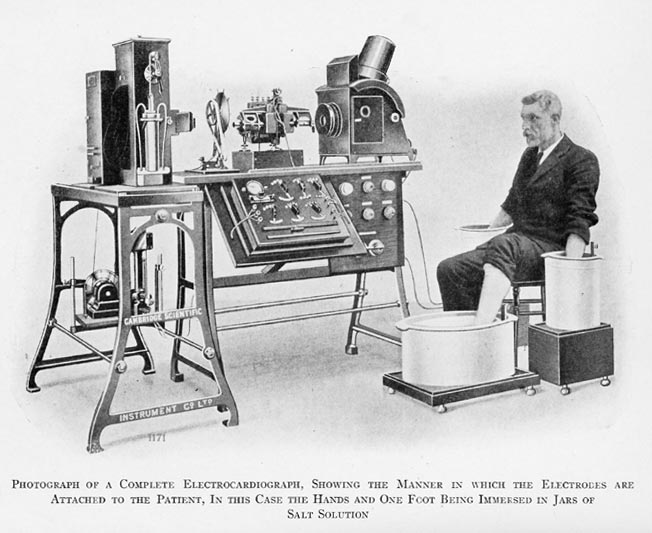
Empathy, Psychotherapy, Medicine

What passes for psychoanalysis in America these days is a far cry from the psychoanalysis Freud devised in the early years of the last century.  A sea change began in the 1970s, when Heinz Kohut, a Vienna-born and Chicago-based psychoanalyst, developed what he termed “psychoanalytic self psychology.”  At the core of Kohut’s theorizing was the replacement of one kind of psychoanalytic method with another.   Freud’s method – which Freud himself employed imperfectly at best – revolved around the coolly self-possessed analyst, who, with surgeon-like detachment, processed the patient’s free associations with “evenly hovering attention” and offered back pearls of interpretive wisdom.  The analyst’s neutrality – his unwillingness to become a “real” person who related to the patient in conventionally sympathetic and supportive ways – rendered him a “blank screen” that elicited the same feelings of love and desire – and also of fear, envy, resentment, and hatred – as the mother and father of the patient’s early life.  These feelings clustered into what Freud termed the positive and negative transferences.

Kohut, however, found this traditional psychoanalytic method fraught with peril for patients burdened less with Freudian-type neurotic conflicts than with psychological deficits of a preoedipal nature.  These deficits gained expression in more primitive types of psychopathology, especially in what he famously termed  “narcissistic personality disorder.”  For these patients – and eventually, in Kohut’s mind, for all patients – the detached, emotionally unresponsive analyst simply compounded the feelings of rejection and lack of self-worth that brought the patient to treatment.  He proffered in its place a kinder, gentler psychoanalytic method in which the analyst was content to listen to the patient for extended periods of time, to affirm and mirror back what the patient was saying and feeling, and over time to forge an empathic bond from which interpretations would arise.

Following Kohut, empathy has been widely construed as an aspect, or at least  a precondition, of talking therapy.  For self psychologists and others who draw on Kohut’s insights, the ability to sympathize with the patient has given way to a higher-order ability to feel what the patient is feeling, to “feel with” the patient from the inside out.  And this process of empathic immersion, in turn, permits the therapist to “observe” the patient’s psychological interior and to comprehend the patient’s “complex mental states.”  For Kohut, the core of psychoanalysis, indeed of depth-psychology in general, was employment of this “empathic mode of observation,” an evocative but semantically questionable turn of phrase, given the visual referent of “observe,” which comes from the Latin observare (to watch over, to guard).   More counterintuitively still, he sought to cloak the empathic listening posture in scientific objectivism.  His writings refer over and over to the “data” that analysts acquire through their deployment of “scientific” empathy, i.e., through their empathic listening instrument.

I was Heinz Kohut’s personal editor from 1978 until his death in the fall of 1981.  Shortly after his death, I was given a dictated transcript from which I prepared his final book, How Does Analysis Cure?, for posthumous publication.  Throughout the 80s and into the 90s, I served as editor to many senior self psychologists, helping them frame their arguments about empathy and psychoanalytic method  and write their papers and books.  I grasped then, as I do now, the heuristic value of a stress on therapeutic empathy as a counterpoise to traditional notions of analytic neutrality, which gained expression, especially in the decades following World War II, in popular stereotypes of the tranquilly “analytic” analyst whose caring instincts were no match for his or her devotion to Freud’s rigid method.

The comparative perspective tempers bemusement at what would otherwise be a colossal conceit:  that psychoanalytic psychotherapists alone, by virtue of their training and work, acquire the ability to empathize with their patients.  I have yet to read an article or book that persuaded me that  empathy can be taught, or that the yield of therapeutic empathy is the apprehension of “complex psychological states” that are analogous to the “data” gathered and analyzed by bench scientists (Kohut’s own analogy).

I do believe that empathy can be cultivated, but only in those who are adequately empathic to begin with.  In medical, psychiatric, and psychotherapy training, one can present students with instances of patients clinically misunderstood and then suggest how one might have understood them better, i.e., more empathically.  Being exhorted by teachers to bracket one’s personal biases and predispositions in order to “hear” the patient with less adulterated ears is no doubt a good thing.  But it  assumes trainees can develop a psychological sensibility through force of injunction, which runs something like:  “Stop listening through the filter of your personal biases and theoretical preconceptions!  Listen to what the patient herself  is saying in her voice!  Utilize what you understand of yourself, viz., the hard-won fruits of your own psychotherapy (or training analysis), to put yourself in her place!  Make trial identifications so that her story and her predicament resonate with aspects of your story and your predicament; this will help you feel your way into her inner world.”

At a less hortatory level, one can provide trainees with teachers and supervisors who are sensitive, receptive listeners themselves and thus “skilled” at what self psychologists like to refer to as “empathic attunement.”  When students listen to such instructors and perhaps observe them working with patients, they may learn to appreciate the importance of empathic listening and then, in their own work, reflect more ongoingly on what their patients are saying and on how they are hearing them say it.  They acquire the ability for “reflection-in-action,” which Donald Schön, in two underappreciated books of the 1980s, made central to the work of “reflective professionals” in a number of fields, psychotherapy among them.[1]  To a certain extent, systematic reflection in the service of empathy may help therapists be more empathic in general.

But then the same may be said of any person who undergoes a transformative life experience (even, say, a successful therapy) in which he learns to understand differently – and less tendentiously – parents, siblings, spouses, children, friends, colleagues, and the like.  Life-changing events  — fighting in  wars, losing loved ones, being victimized by natural disasters, living in third-world countries, providing aid to trauma victims – cause some people to recalibrate values and priorities and adopt new goals.  Such decentering can mobilize an empathic sensibility, so that individuals return to their everyday worlds with less self-centered ways of perceiving and being with others.

There is nothing privileged about psychotherapy training in acquiring an empathic sensibility.  I once asked a senior self psychologist what exactly differentiated psychoanalytic empathy from empathy in its everyday sense.  He thought for a moment and replied that in psychoanalysis, one deploys “sustained” empathy.  What, pray tell, does this mean, beyond denoting the fact that psychoanalysts, whether or not empathic, listen to patients for a living, and the units of such listening are typically 45-minute sessions.  Maybe he simply meant that, in the nature of things, analysts must try to listen empathically for longer periods of time, and prolongation  conduces to empathic competence.

Well, anything’s possible, I suppose.  But the fact remains that some people are born empathizers and others not.  Over the course of a 27-year career in psychoanalytic and psychiatric publishing, I worked with a great many analysts and therapists who struck me as unempathic, sometimes stunningly unempathic.  And those who struck me as empathic were not aligned with any particular school of thought, certainly not one that, like self psychology, privileges empathy.

Nor is it self-evident  that the empathy-promoting circumstances of psychotherapy are greater than the circumstances faced day-in and day-out by any number of physicians. Consider adult and pediatric oncologists, transplant surgeons, and internists and gerontologists who specialize in palliative care.  These physicians deal with patients (and their parents and children) in extremis; surely their work should elicit “sustained empathy,” assuming they begin with an empathic endowment strong enough to cordon off the miasma of uncertainty, dread, and imminent loss that envelops them on daily rounds.  Consider at the other end of the medical spectrum those remaining family doctors  who, typically in rural settings, provide intergenerational, multispecialty care and continue to treat patients in their homes .  The nature of their work makes it difficult for them not to observe and comprehend their patients’ complex biopsychosocial states; there are extraordinary empathizers among them.

When it comes to techniques for heightening empathy, physicians have certain advantages over psychotherapists, since their patients present with bodily symptoms and receive bodily (often procedural) interventions, both of which have a mimetic potential beyond “listening” one’s way into another’s inner world.  There is more to say about the grounds of medical empathy, but let me close here with a concrete illustration of such empathy in the making.

William Stevenson Baer graduated from Johns Hopkins Medical College in 1898 and stayed on at Hopkins as an intern and then assistant resident in William Halsted’s dauntingly rigorous surgical training program.  In June, 1900, at the suggestion of Baer’s immediate supervisor, Harvey Cushing, Halsted asked Baer to establish an orthopedic outpatient clinic at Hopkins the following fall.  With no grounding in the specialty, Baer readied himself for his new task by spending the ensuing summer at the orthopedic services of Massachusetts General Hospital and the Boston Children’s Hospital.  At both institutions, many children in the orthopedic ward had to wear plaster casts throughout the hot summer months.  On arrival, Baer’s first order of business was to alter his life circumstances in order to promote empathy with, and win the trust of, these young patients.  To wit, he had himself fitted for a body cast that he wore the entire summer.  His sole object, according to his Hopkins colleague Samuel Crowe, was “to gain the children’s confidence by showing them that he too was enduring the same discomfort.”[2]

Psychotherapists are generally satisfied that empathy can be acquired in the manner of a thought experiment.  “Bracket your biases and assumptions,” they admonish, “empty yourself of ‘content,’ and then, through a process of imaginative identification, you will be able to hear what your patient is saying and feel what she is feeling.”  Baer’s example reminds us that illness and treatment are first and foremost bodily experiences, and that “feeling into another” – the literal meaning of the German Einfühlung, which we translate as “empathy” – does not begin and end with concordant memories amplified by psychological imagination.[3]  In medicine, there is an irremediably visceral dimension to empathy, and we shall consider it further in the next posting.


[1] Donald A. Schön, The Reflective Practitioner: How Professionals Think in Action (NY: Basic Books, 1983); Donald A. Schön, Educating the Reflective Practitioner (San Francisco: Jossey-Bass, 1987).

[2] Samuel James Crowe, Halsted of Johns Hopkins: The Man and His Men (Springfield, IL: Thomas, 1957), pp. 130-31.

[3] The imaginative  component of empathy, which is more relevant to its function in psychotherapy than in medicine, is especially stressed by Alfred Margulies, “Toward Empathy: The Uses of Wonder,” American Journal of Psychiatry, 141:1025-1033, 1984.

Copyright © 2012 by Paul E. Stepansky.  All rights reserved.

Medical Toys, Old and New

“The plethora of tests available to the young clinician has significantly eroded the skills necessary to obtain adequate histories and careful physical examinations.  Day in and day out, I encounter egregious examples of misdiagnosis engendered by inadequacies in these skills.”                                ~William Silen, M.D. “The Case for Paying Closer Attention to Our Patients” (1996)

Treat the Patient, Not the CT Scan,” adjures Abraham Verghese in a New York Times op-ed piece of February 26, 2011.  Verghese targets American medicine’s overreliance on imaging tests, but, like others before him, he is really addressing the mindset that fosters such overreliance.  Preclinical medical students, he reminds us, all learn physical examination and diagnosis, but their introduction to the art dissipates under the weight of diagnostic tests and specialist procedures during their clinical years.  “Then,” he writes, “they discover that the currency on the ward seems to be ‘throughput’ – getting tests ordered and getting results, having procedures like colonoscopies done expeditiously, calling in specialists, arranging discharge.”  In the early 90s, William Silen, Harvard’s Johnson and Johnson Distinguished Professor of Surgery,[1] made the same point with greater verve.  In one of his wonderful unpublished pieces, “Lumps and Bumps,” he remarked that “the modern medical student, and most physicians, have been so far removed from physical diagnosis, that they simply do not accept that a mass is a mass is a mass unless the CT scan or ultrasound tells them it is there.”

Verghese and Silen get no argument from me on the clinical limitations and human failings associated with technology-driven medicine.  But these concerns are hardly unique to an era of CT scans and MRIs.  There is a long history of concern about overreliance on new technologies;  Silen has a delightfully pithy, unpublished piece on the topic that is simply titled, “New Toys.”

One limitation of such critiques is the failure to recognize that all “toys” are not created equal.  Some new toys become old toys, at which point they cease being toys altogether and simply become part of the armamentarium that the physician brings to the task of physical examination and diagnosis.  For example, we have long since stopped thinking of x-ray units, EKG machines, blood pressure meters (i.e., sphygmomanometers), and stethoscopes as “new toys” that militate against the acquisition of hands-on clinical skill.

But it was not always so.  When x-rays became available in 1896, clinical surgeons were aghast.  What kind of images were these?  Surely not photographic images in the reliably objectivistic late-nineteenth century sense of the term.  The images were wavy, blurry, and imprecise, vulnerable to changes in the relative location of the camera, the x-ray tube, and the object under investigation.  That such monstrously opaque images might count as illustrative evidence in courts of law, that they might actually be turned against the surgeon and his “expert opinion”  – what was the world coming to?  Military surgeons quickly saw the usefulness of x-rays for locating bullets and shrapnel, but their civilian colleagues remained suspicious of the new technology for a decade or more after its invention.  No fools, they resorted to x-rays only when they felt threatened by malpractice suits.

Well before the unsettling advent of x-ray photography, post-Civil War physician-educators were greatly concerned about the use of mechanical pulse-reading instruments.  These ingenious devices, so they held, would discourage young physicians from learning to appreciate the subtle diagnostic indicators embedded in the pulse.  And absent such appreciation, which came only from prolonged training of their fingertips, they could never acquire the diagnostic acumen of their seniors, much less the great pulse readers of the day.

Thus they cautioned students and young colleagues to avoid the instruments.  It was only through “the habit of discriminating pulses instinctively” that the physician acquired  “valuable truths . . . which he can apply to practice.”  So inveighed the pioneering British physiologist John Burdon-Sanderson in 1867.  His judgment was shared by a generation of senior British and American clinicians for whom the trained finger remained a more reliable measure of radial pulse than the sphygmograph’s arcane tracings.  In The Pulse, his manual of 1890, William Broadbent cautioned his readers to avoid the sphygmograph, since interpretation of its tracings could “twist facts in the desired direction.”  Physicians should “eschew instrumental aids and educate the finger,” echoed Graham Steell in The Use of the Sphygmograph in Medicine at the century’s close.[2]

Lower still on the totem pole of medical technology, indeed about as low down as one can get – is the stethoscope, “invented” by René Laennec in 1816 and first employed by him in the wards of Paris’s Hôpital Necker (see sidebar).  In 1898, James Mackenzie, the founder of modern cardiology, relied on the stethoscope, used in conjunction with his own refinement of the Dudgeon sphygmograph of 1881 (i.e., the Mackenzie polygraph of 1892), to identify what we now term atrial fibrillation.  In the years to follow, Mackenzie, a master of instrumentation, became the principal exponent of what historians refer to as the “new cardiology.” His “New Methods of Studying Affections of the Heart,” a series of articles published in the British Medical Journal in 1905, signaled a revolution in understanding cardiac function.  “No man,” remarked his first biographer, R. McNair Wilson, in 1926, “ever used a stethoscope with a higher degree of expertness.”  And yet this same Mackenzie lambasted the stethoscope as the instrument that had “not only for one hundred years hampered the progress of knowledge of heart affections, but had done more harm than good, in that many people had had the tenor of their lives altered, had been forbidden to undertake duties for which they were perfectly competent, and had been subject to unnecessary treatment because of its findings’.”[3]

Why did Mackenzie come to feel this way?  The problem with the stethoscope was that the auscultatory sounds it “discovered,” while diagnostically illuminating, could cloud clinical judgment and lead to unnecessary treatments, including draconian restrictions of lifestyle.  For Mackenzie,  sphygmomanometers were essentially educational aids that would corroborate what medical students were learning to discern through their senses.  And, of course, he allowed for the importance of such gadgetry in research.  His final refinment of pulse-reading instrumentation, the ink jet polygraph of 1902 (see sidebar), was just such a tool.  But it was never intended for generalists, whose education of the senses was expected to be adequate to the meaning of heart sounds.  Nor was Mackenzie a fan of the EKG, when it found its way into hospitals after 1905.  He perceived it as yet another “new toy” that provided no more diagnostic information than the stethoscope and ink jet polygraph.  And for at least the first 15 years of the machine’s use, he was right.

Now, of course, the stethoscope, the sphygmomanometer, and, for adults of a certain age, the EKG machine are integral to the devalued art of physical examination.  Critics who bemoan the overuse of CT scans and MRIs, of echocardiography and angiography, would be happy indeed  if medical students and residents spent more time examining patients and learning all that can be learned from stethoscopes, blood pressure monitoring, and baseline EKGs.  But more than a century ago these instrumental prerequisites of physical examination and diagnosis were themselves new toys, and educators were wary of what medical students would lose by relying on them at the expense of educating their senses.  Now educators worry about what students lose by not relying on them.

Toys aside, I too hope  that those elements of physical diagnosis that fall back on one tool of exquisite sensitivity – the human hand – will not be lost among reams of lab results and diagnostic studies.  One shudders at the thought of a clinical medicine utterly bereft of the laying on of hands, which is not only an instrument of diagnosis but also an amplifier of therapy.  The great pulse readers of the late nineteenth century are long gone and of interest only to a handful of medical historians.  Will the same be true, a century hence, of the great palpators of the late twentieth?


[1] I worked as Dr. Silen’s editor in 2000-2001, during which time I was privileged to read his unpublished lectures, addresses, and general-interest medical essays as preparation for helping him organize his memoirs.  Sadly, the memoirs project never materialized.

[2] In this paragraph, I am guided especially by two exemplary studies, Christopher Lawrence, “Incommunicable Knowledge: Science, Technology and the Clinical Art in Britain, 1850-1914,” J. Contemp. Hist., 20:503-520, 1985 and Hughes Evans, “Losing Touch: The Controversy Over the Introduction of Blood Pressure Instruments in Medicine, “ Tech. Cult., 34:784-807, 1993.  Broadbent and Steell are quoted from Lawrence, p. 516.

[3] R. McNair Wilson, The Beloved Physician: Sir James Mackenzie (New York:  Macmillan, 1926), pp. 103-104. A more recent, detailed account of Mackenzie’s life and career is Alex Mair, Sir James Mackenzie, M.D., 1853-1925 – General Practitioner (London: Royal College of General Practitioners, 1986).

Copyright © 2012 by Paul E. Stepansky.  All rights reserved.
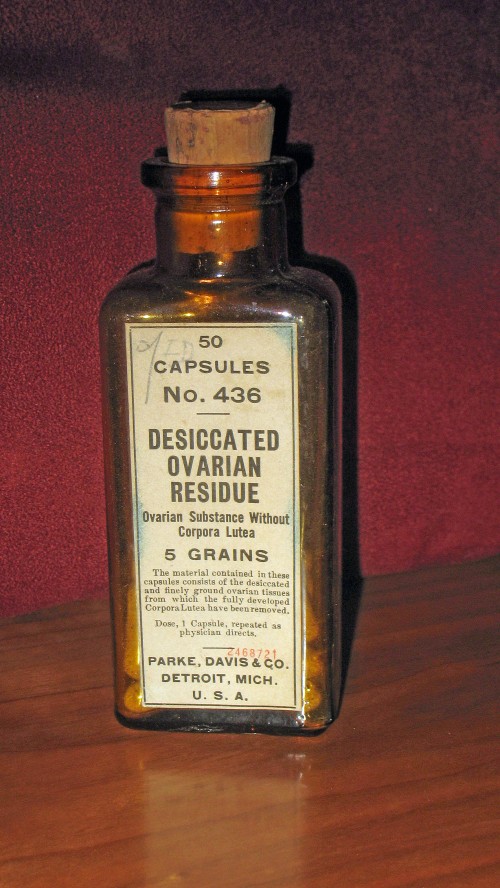
A Musical Offering

“There is no doubt in my mind that the study of music aids in the study of medicine.  The study of one appears to potentiate the other.”                                  ~ F. William Sunderman, M.D., Musical Notes of a Physician (1982)

My father, William Stepansky, whose lifelong passion for violin and string chamber playing is recorded in The Last Family Doctor, holds a singular status in the history of World War II.  He was the only GI in the US Army to join his infantry division at the D-Day staging area in the dripping heat of Yuma, Arizona with a violin in tow.  Wiser minds prevailed, and he sent the violin home, but not before knowledge of his unlikely traveling companion spread throughout the unit.  Here he is in army fatigues playing violin in Germany in the final year of World War II.  The violin in question, a fine mid-eighteenth-century instrument by the Prague maker Thomas Andreas Hulinzky (1731-1788), was the gift of a group of GIs who retrieved it in the vicinity of the famous Hohner Factory in Trossingen, Germany in early 1945.  Apparently knowing about the violin-toting  kid from South Philly who was a surgical tech, they brought the “liberated” fiddle back to his surgical clearing station and offered it to him – but only on condition that he play it for them then and there.

He obliged them, and the Hulinzky became his violin for the next half century, the instrument that provided his four sons with childhoods suffused with Bach, Mozart, Beethoven, Schubert, Mendelssohn, Brahms, and a host of later Romantics.  We learned standard repertoire through my father’s practicing and chamber rehearsals and performances.  And we played with him ourselves – two pianists, a violinist, and a cellist.   Here is a family trio in action in 1976; this one includes David Stepansky (piano), Alan Stepansky (cello), and William Stepansky (violin).

Why the violin mattered so much to our father and how it entered into the kind of medicine he practiced – I forego these precious bits of biography here.  But I cannot resist commenting on Danielle Ofri’s recent piece, “Music Teachers for Doctors?”, since it stimulates memories of growing up with a  gifted physician-musician in a remarkably musical household.

Picking up on a recent article by the internist Frank Davidoff, Ofri suggests that the critical feedback that performing musicians receive throughout their careers from “teachers, audiences, critics and their own ears” exemplifies the kind of “coaching” that, in parallel fashion, might aid physicians in the “performance” of clinical medicine.  Senior colleagues who observe physicians as they actually practice medicine and provide “detailed feedback,” she suggests, might play the same energizing motivational role as music teachers and coaches who relentlessly critique their students’ performance skills and spur them to higher levels of artistry.

It’s a bit difficult to understand precisely what Ofri and Davidoff mean by the term “performance.”  It seems to be a catchall for clinical competence, of which creative problem solving; emotional engagement;  collaborative sensibility; and enthusiasm for the work are all components.  The greater one’s allotment of these attributes, the better one “performs” clinical medicine.

Davidoff, who observes that most musicians “perform almost exclusively in groups,” is especially taken with the interactive and cognitive yield of group performance.  It inculcates a better sense of “teamwork,” of the “specialization” associated with one’s particular instrument, and of the importance of clinical improvisation, i.e., the wherewithal to deviate from established protocols in response to the needs of “particular patients in particular contexts.”  Ofri, for her part, sees clinical coaching modeled on musical coaching as especially relevant to the creeping complacency, the mid-career “plateaus” to which all-too-human physicians are subject.  Musical-cum-clinical coaching would remind physicians that the quest for “performance” excellence is never ending; it might goad them to further career growth and renewed satisfaction in their work.

Between these two contrasting emphases, I am more aligned with Davidoff, though I question whether the value of group performance is best thought of in terms of an interactional concept such as “teamwork” or a cognitive skill such as improvisation.  The improvement to which “good enough” doctors  should seek ongoing feedback is of a different sort.   What they could really use is a dose of the sensibility associated with chamber music playing, for ensemble work feeds into the art and craft of dialogue, of give and take, of respectful recognition of different voices moving together in accord with the anatomical blueprint provided by a composer.

Rather than provide “coaches” who give physicians feedback to improve their clinical “performance,” let’s take them right to the medicomusical locus itself.  To wit, let’s make instrumental training and chamber performance an integral part of postgraduate clinical training.  And, by way of bringing this utterly fanciful notion back down to earth – or at least within earth’s orbit – let’s give physicians “continuing education” credit both for playing in musical ensembles and for taking seminars and workshops on how to listen to chamber music.

But let’s play out the original fantasy.  What a boon to patients if doctors were obliged to make music among themselves.  Better still if they made music with nonphysicians and best of all if they made music with current or former patients.  In so doing, they might build up tacit knowledge relevant to caring for people rather than diagnosing and treating illnesses.  From chamber playing, they would learn about harmonious interchange, about counterpoint (as Davidoff points out), about respecting intelligent voices other than their own.  Tacit knowledge – the concept comes to us from the Hungarian-British scientist and philosopher Michael Polanyi – by its nature resists articulation among those who possess it.  But, speaking from the outside, let me say that the tacit knowledge I have in mind hovers around the art of doctor-patient communication, of learning to converse with patients in a manner more responsive to individual illness experiences.  Here is my claim:  Chamber music holds the promise of broadening, however tacitly, the physician’s sense of dialogic possibility when he or she is with patients.

Consider chamber music as a special kind of narrative journey.  It is not the hero’s journey that culminates in individual redemption and rebirth but the journey of individual voices conjoined in pursuit of something communal, call it musical truth.  Individual voices assert their authority; they take the lead when called on, enabling other voices to play their supportive roles with greater sensitivity and more perfect ensemble.[1]  The voices interweave and interpenetrate; they invade musical space only to make graceful exits; they weave exquisite filigrees around the melodic inventiveness of others; they learn to yield melodic pride of place, only to reclaim it once again as transformed by other voices.  Out of the dialogue emerges a tapestry whose separate threads merge in single-minded  purpose.  This interpretive solidarity, this playing together, is hemmed in by a composer’s intentions, framed by the compositional traditions and performance practices of a particular time and place.  Absent any single voice, the journey can not be undertaken; there is no tapestry to be woven.

What have we here if not a musical analogue of the kind of narrative competence associated with patient- and relationship-centered medicine?  Interweaving, interpenetrating, entering and exiting, listening to other voices, yielding to other voices, hearing differently because of other voices – aren’t these things at the heart of narrative medicine?

This was the medicine that my father practiced long before scholars decided to study “narrative medicine” as a kind of medicine.  As a violinist, he was especially drawn to Bach, but also to the early and late Romantics, and he could shape a phrase with the same warmth and control with which he helped patients reshape the personal stories they brought to him.  He was a charismatic listener who encouraged his patients to bring him their stories.  But he always listened as their doctor, with the quiet authority to decide on a course of treatment and reassure them all was in hand – because all was in his  mind.  He was, after all, the first violinist, the leader of the quartet.  He knew the score, and he was comfortable taking the lead, both with other chamber players and with his patients.

My father was a man of great modesty and reserve, but his violin always soared with controlled passion.  Just so in medicine:  his personal reserve never diminished the polyphonic textures and expressive sonorities of his medicine, of how he listened to and conversed with his patients and then proceeded to doctor them.

_________________

My father’s model for a life of medicine and music was F. William Sunderman. One of Philadelphia’s premier internists, Sunderman was an accomplished medical researcher at Pennsylvania Hospital.  During the 1930s, he developed new methods for measuring blood cholesterol, glucose, and chloride and invented  the Sunderman Sugar Tube.  During the war, he served as Medical Director of the Manhattan Project, where he developed an antidote for the nickel carbonyl piosoning to which the first atomic bomb assemblers were prone.

Among Philadelphia’s literati, however, Sunderman was best known for integrating medicine and music into a single exemplary life.  The side-by-side entrances of his four-story brownstone at 2210 Delancy Street bore complementary aluminum plaques, one adorned with a caduceus, the other with a lyre and singing bird.  To the former came his patients; to the latter the musicians – eminent scientists and physicians among them – who joined him regularly for chamber music.  Sunderman’s passion for the violin, which in his case was embodied in a collection of exquisite instruments – a Gagliano, a Vuillaume, a Guarnarius – was fast becoming part of Philadelphia’s cultural landscape.

What must Sunderman have thought when, in the fall of 1947, a young war veteran recently graduated from Philadelphia College of Pharmacy wrote him and requested an audience.   The young man, a Jewish immigrant whose parents fled the Russian Pogroms in 1921, knocked on Sunderman’s “musical” door with his GI-liberated Hulinzky in hand.  He announced without fanfare:  “I want to be like you.  My life will be medicine and music.”  And without further ado, my father played for him.  And Sunderman was impressed, both with the young man and with his playing.  And so he endorsed the violinist-pharmacist-serviceman’s application for admission to Philadelphia’s Jefferson Medical College.

Among the area musicians who joined Sunderman for chamber playing on a regular basis was a young cellist and Harvard graduate (class of ’32).  At Harvard, Robert U. Jameson not only played cello but rose to the presidency of the Pierian Sodality, the forerunner of the Harvard-Radcliffe Orchestra.  (In 1941, nine years after Jameson’s graduation, the Orchestra performed his orchestration of  Edward Ballantine’s “Variations on Mary Had a Little Lamb.”)   Now in the real world, Jameson made his living teaching English at The Haverford School on Philadelphia’s Main Line.  An extraordinary teacher who seemed to know his students from the inside out and hence to understand exactly what they needed (viz., how to “coach” them),  Jameson remained a devotee of cello throughout his life.  In the mid-1970s, in failing health but still in the saddle at Haverford, he counted among his students a remarkably gifted young cellist. The two bonded, and the teacher became admiring of his student and warmly supportive of his career aspirations.

The young man played the Saint-Saens Cello Concerto at his teacher’s memorial concert in the spring of 1978, one cellist saluting another, and then moved on to the Curtis Institute, Harvard, and the New York Philharmonic, where he served as Associate Principal Cellist. The cellist, my brother Alan Stepansky, is now Professor of Cello at the Peabody Conservatory and Manhattan School of Music  and a performer and teacher of international stature.

A decade earlier, in the late 1960s, this same Robert U. Jameson took in hand another student who showed  promise as a writer but was in need of the kind of disciplining a chamber-music-playing English teacher could provide. Jameson, a student, like all cellists, of Bach’s Cello Suites, helped him harness luxuriant adolescent prose and understand that restraint is the handmaiden of passion, indeed, that it is the better part of a writer’s valor.  I was that student.  Did Mr. Jameson’s love of cello and chamber playing enter into his understanding of language and his ability to impart, perhaps tacitly, the elements of well-wrought narratives?  Did his instrument help make him the teacher and mentor he was?  Who’s to say it didn’t.


[1] The importance of taking the lead in chamber playing and the manner in which a strong leader enables other players to provide support “with greater sensitivity and more perfect ensemble” – this insight and this wording come from my brother Alan Stepansky.

Copyright © 2012 by Paul E. Stepansky.  All rights reserved.